SOCIETY OF PSYCHOLOGISTS IN LEADERSHIP
2027 ANNUAL CONFERENCE
Program & Events
Leading with Intention
April 8–11, 2027
Hilton Portland Downtown | Portland, Oregon
Conference Program
Four days of leadership learning, practical insight, and professional connection. Select “Learning objectives” or “About the presenter” to read more. Details for sessions still awaiting materials will be added as available.
All times are local to Portland, Oregon (Pacific Time).
Thursday, April 8
Pre-Conference Programs & Welcome Events
Choose among overlapping pre-conference programs, then join colleagues for the evening welcome events. Separate workshop registration and fees apply. Workshop CE information will be confirmed before registration.
8:00 a.m.–6:00 p.m.
Transitioning from Psychologist to Psychologist-Leader
Ernest Wayde, PhD, Jill Draime, PsyD & Tamara S. Lyn, PhD
This workshop presents best practices for psychologists transitioning into the Psychologist Leader role. Based on a foundation of psychological science and practice, participants will learn tools to improve their leadership, management, and supervisory skills. Participants will be better prepared to improve and influence workplace culture, in general, and individual contributors, in particular, including encouraging discussion of diversity, equity, and inclusion. Participants will also engage in an assessment-based process of self-discovery to understand the extent to which they have, or may more effectively develop, leadership, management, and supervisory skills. Finally, participants will use principles of leadership development to leverage their strengths and address development opportunities as they engage in leadership roles. ***MUST SIGN UP BY MARCH 5TH TO ATTEND THIS WORKSHOP. LATE REGISTRANTS WILL NOT BE ACCEPTED.
Workshop fee: $550. Planned CE: 8 credits; subject to final confirmation.
Hide learning objectives
Participants will be able to:
- Evaluate their leadership strengths and growth areas through structured self-assessment to enhance their leadership effectiveness.
- Develop strategies to manage personal leadership derailers under stress.
- Analyze and apply psychologically-based models of learning and motivation to promote positive workplace outcomes for teams and individuals.
- Describe the five facets of learning agility and their application to leadership.
- Develop strategies to navigate ambiguity and uncertainty in organizations.
Hide about the presenters
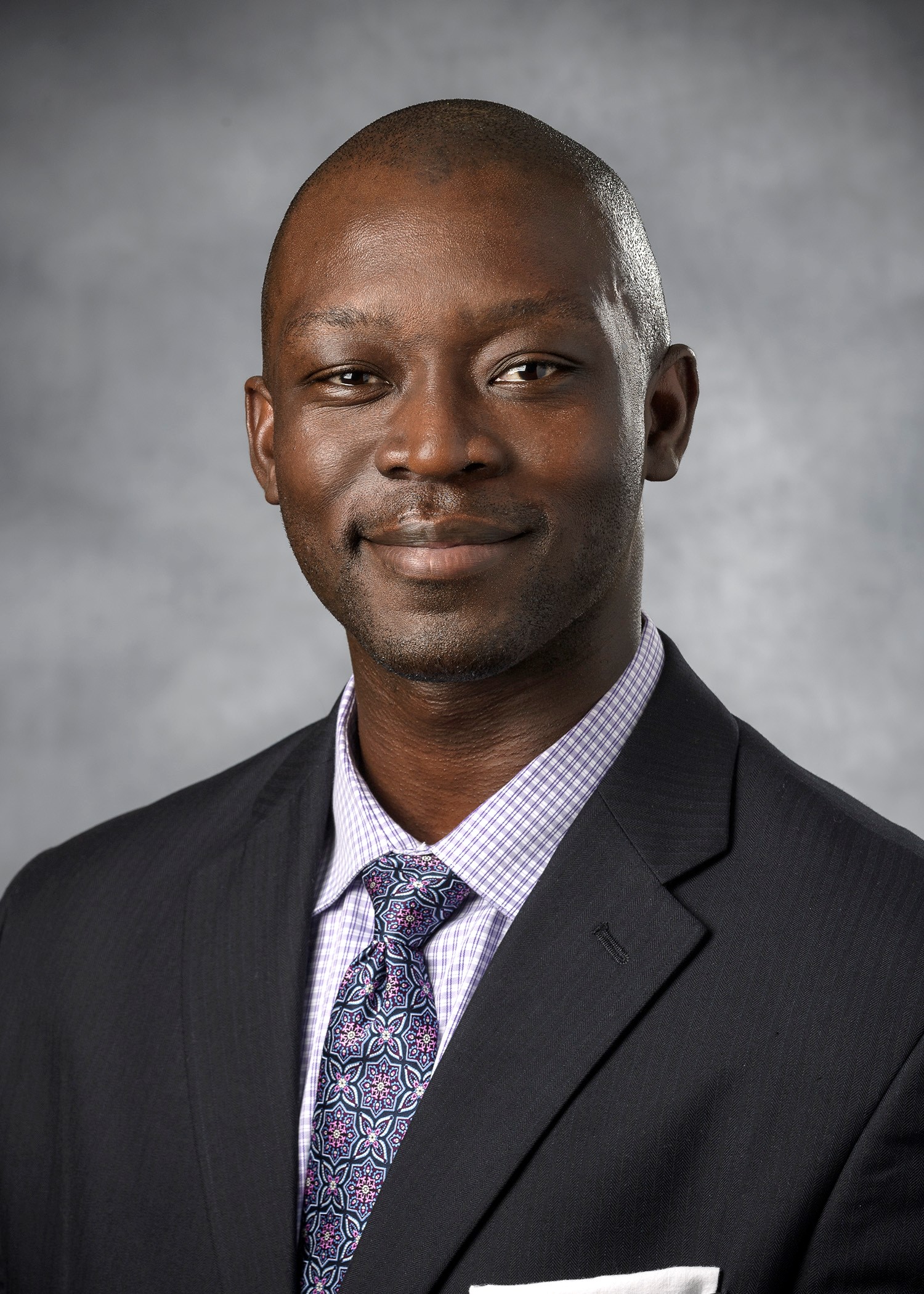
Ernest Wayde, PhD
Founder and CEO | Wayde AI
CEO of Wayde AI, LLC, Dr. Ernest Wayde operates at the intersection of human behavior and advanced technology, partnering with organizations to educate, strategize, and execute successful ethical and responsible AI adoption. His unique background combines technological expertise with a deep understanding of human behavior and organizational dynamics. Dr. Wayde is a former Director of Data Management and Evaluation. He has worked in the technology industry as a software developer and project manager implementing business technologies. Dr. Wayde earned a doctorate in clinical psychology and cognitive psychology from the University of Alabama with a minor in statistics, as well as a master’s degree in information systems from Wright State University. He has numerous certifications in Artificial Intelligence, including a certificate from the MIT Sloan School of Management. Dr. Wayde specializes in guiding organizations through technological transformation, addressing both technical requirements and organizational readiness. His methodology combines cutting-edge AI knowledge with proven organizational development principles, ensuring ethical and sustainable AI implementation that drives strategic growth.
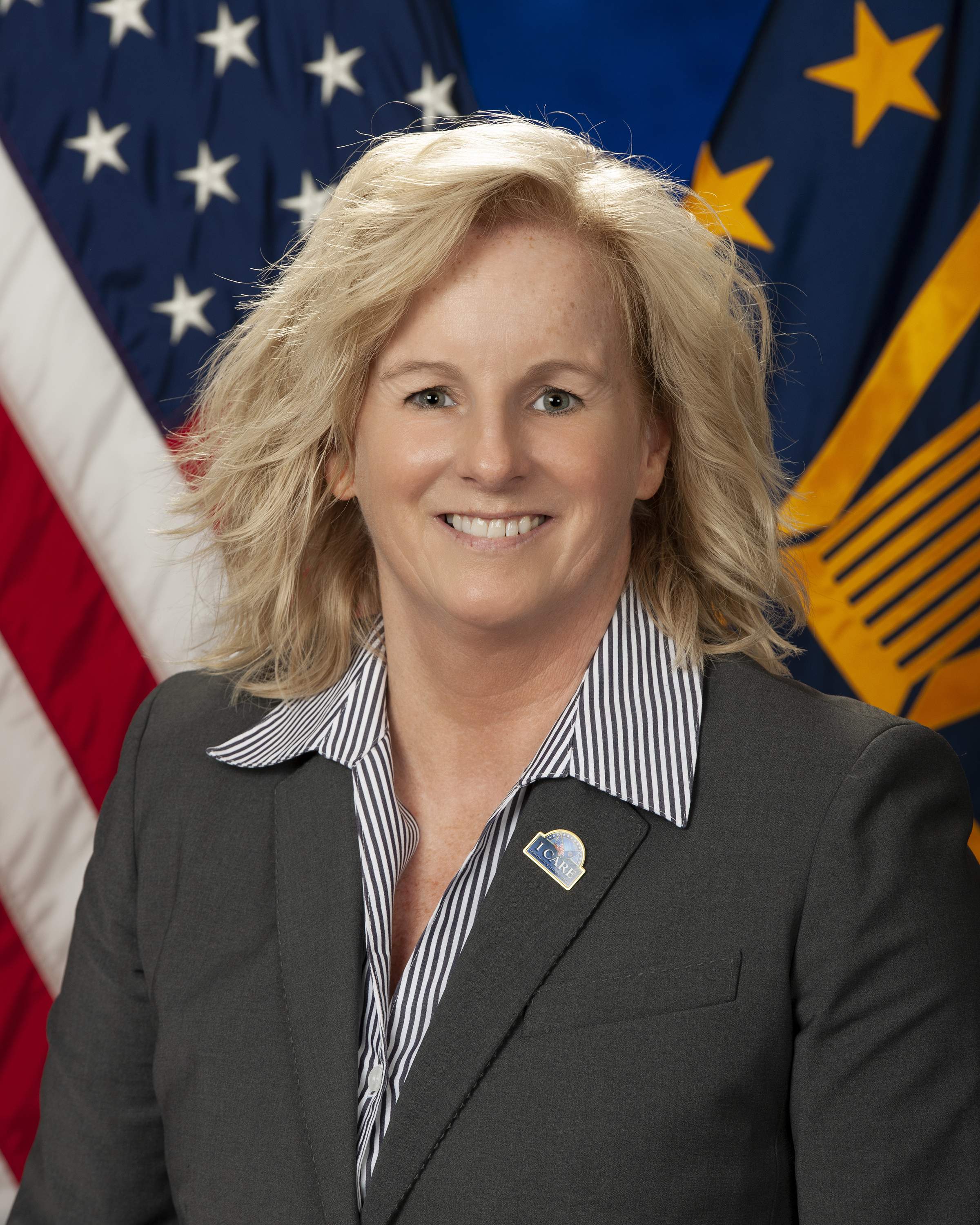
Jill Draime, PsyD
Executive Director, Change Management | US Department of Veterans Affairs
Dr. Jill Draime honed her leadership skills during her tenure at the US Department of Veterans Affairs, most recently serving as Executive Director, Change Management, where she was responsible for policies, strategies, and execution of organizational change management and leads the transformation vision, stakeholder engagement, change impact and organizational readiness and communications regarding organizational impact. Dr. Draime served as Executive Director, Change Management for VA’s Electronic Health Record Modernization Integration Office (EHRM IO). In this role, she provided vision and direction for the Office of Change Management. She served as Acting VHA Chief of Staff (2014-2015), Acting VHA Deputy Chief of Staff (2014), and Director of Organization Development Consultation for VHA’s National Center for Organizational Development (2003-2014). From 2013-2017, Dr. Draime served as Vice President, President-Elect, President, and Past President for the Society of Psychologists in Leadership. Dr. Draime currently serves as the Secretary for the Foundation for the Advancement of Psychologists in Leadership (FAPIL) Board. Dr. Draime received her doctoral degree from Spalding University in 1998 and is a graduate of Wharton’s Advanced Management Program. She is Board certified in Organizational and Business Consulting Psychology (OBCP). Her interests include large-scale systems change, employee engagement and development, and group process consultation.
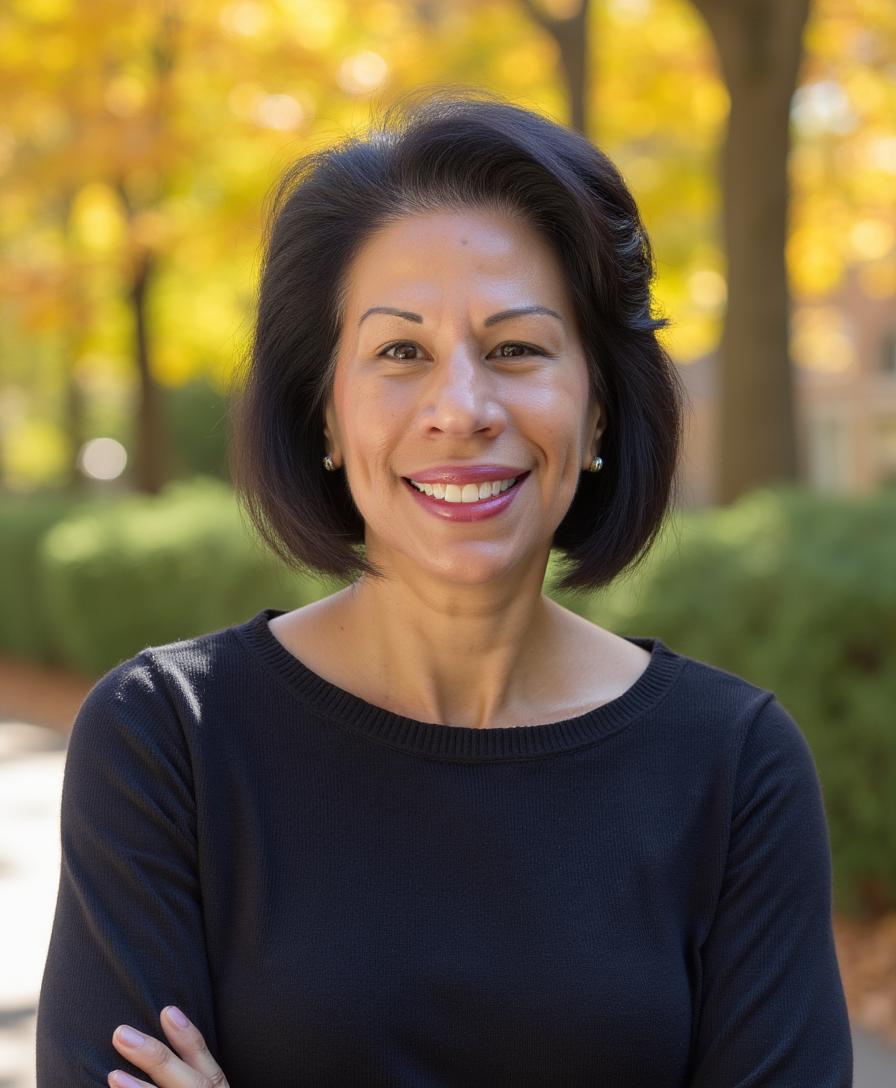
Tamara S. Lyn, PhD
Consulting Psychologist | High Ready Coaching and Consulting
Dr. Tamara Lyn acquired unique experience during decades of service in high-intensity correctional settings. She served in clinical and executive leadership roles in corrections, including oversight of all psychology programs in the Bureau of Prisons (2015-2020). Her career culminated in the role of Warden as one of a very small cohort of women in the position. As a Warden during a global pandemic, Dr. Lyn developed deep insights into crisis management, fostered psychological safety, and taught skills for resilience and learning agility. Dr. Lyn’s work as an executive coach and consulting psychologist focuses on the application of positive psychology in high-impact, high-stakes leadership roles. Dr. Lyn holds an MA and PhD in psychology from The University of Michigan, Ann Arbor. She served as an elected member of the American Psychological Association (APA) Board of Directors (2022-2024) and is an APA Fellow in divisions representing public service (Division 18) and consulting (Division 13). She is Board certified in Organizational and Business Consulting Psychology (OBCP) and serves on the Board of Trustees of the American Board of Professional Psychology (ABPP). “The Surprising Journey from Psychologist to Warden” was published in Psychological Services in December 2022. Her chapter, "The Burden of Command: Navigating Psychological Stress and Institutional Betrayal in Law Enforcement Leadership," was published in When Leading Hurts (Wisdom & Nabors, Eds., APA Books, November 2026).
8:00 a.m.–12:00 p.m.
Uncommon Coaching: Helping Leaders Become Who They Intend to Be
Dale Thompson, PhD & Allison Alford, MS
This hands-on workshop gives psychologists who coach leaders a practical way to work from that view. We will focus on three ideas: • Who grows most easily. Eight factors, drawn from four decades of research and practice, that predict how readily a leader will grow and how to shape the coaching to fit. • Align, Aspire, Transform. A simple framework for where a leader is in their growth, from closing the gap between intentions and impact to developing others. • Coaching in an open system. Why we favor discretion over confidentiality, and how bringing the boss and HR into the process speeds growth. The session pairs with Dale Thompson's new book, Uncommon Coaching, published February 4, 2027.
Workshop fee: $275 members / $325 nonmembers. Planned CE: 3.5 credits; subject to final confirmation.
Hide learning objectives
Participants will be able to:
- Describe at least two ways Uncommon Coaching differs from traditional coaching, including confidentiality and the role of guidance.
- Use the eight growth potential factors to assess a leader's readiness for coaching.
- Describe the Align–Aspire–Transform Coaching Framework: Explain the three stages of Uncommon Coaching and identify strategies for helping coachees clarify their intentions, expand their aspirations, and achieve meaningful, lasting behavioral change.
Hide about the presenters

Dale Thompson, PhD
Founder and Executive Chair, Leadership Worth Following
Dr. A. Dale Thompson is the Founder and Executive Chair of Leadership Worth Following (LWF), a leadership consulting firm specializing in executive assessment, coaching, leadership development, and organizational effectiveness. With more than 40 years of experience in leadership psychology and executive development, Dr. Thompson has dedicated his career to helping leaders maximize their potential and create lasting, positive impact within their organizations. Dr. Thompson helped develop the Worthy Leadership Model, a research-based framework emphasizing the importance of Capacity, Commitment, and Character in effective leadership. His work integrates psychological research, leadership assessment, and practical development strategies to help individuals become more effective and impactful leaders. He is also the creator of Uncommon Coaching, an approach to executive coaching that emphasizes intentional growth, alignment, and sustainable behavioral change. The Align–Aspire–Transform coaching framework provides a structured approach to helping individuals clarify their intentions, expand their aspirations, and achieve meaningful development. Through his consulting, research, and teaching, Dr. Thompson has worked to advance the practice of executive coaching and leadership development. He continues to share his expertise with coaches and organizational leaders, emphasizing evidence-based practices and the importance of developing leaders who are worthy of being followed.

Allison Alford, MS
Associate Consultant, Leadership Worth Following
Allison Alford is an Associate Consultant at Leadership Worth Following (LWF), a leadership consulting firm specializing in executive assessment, coaching, and leadership development. She holds a Master of Science in Organizational Psychology from Southern Methodist University and a Bachelor of Science in Psychology from Texas A&M University. In her role at LWF, Allison supports leadership assessment and development initiatives, helping organizations better understand leadership capabilities, identify growth opportunities, and develop more effective leaders. She has contributed to more than 300 leadership assessment reports and evaluated over 50 leadership candidates, drawing on behavioral observations, psychological assessments, interviews, and feedback to provide meaningful development insights. Allison also plays an active role in the design, coordination, and facilitation of leadership development programs, including Uncommon Coaching, LWF's executive coaching certification program. She works alongside experienced leadership consultants to help coaches strengthen their skills and apply practical, research-informed approaches to leadership development. With a background in organizational psychology and a passion for helping others grow, Allison brings an analytical and people-focused perspective to her work. She is committed to helping individuals recognize their potential, develop greater self-awareness, and make meaningful progress toward their leadership goals.
8:00 a.m.–12:00 p.m.
EQ Workshop — Final Title Pending
Dana Ackley, PhD
Presentation description: Pending.
Workshop fee: Pending. CE information: Pending.
1:00–5:00 p.m.
Leading Change with Purpose: From Resistance to Momentum
Robin Graff-Reed, PhD
Change is an inevitable part of any organization, and understanding the dynamics of change management is more important than ever, as organizations face rapid technological advancements, shifting markets, and evolving workforce expectations. This workshop will review practical, research-based strategies for guiding teams through organizational change. Participants will explore core change management frameworks and learn how to apply them to real-world leadership challenges. The session emphasizes communication, stakeholder alignment, and the psychology of employee transition, helping leaders anticipate resistance and build momentum. Whether in a leadership role or consulting to leaders, attendees will practice translating change plans into actionable behaviors that support adoption and sustain long-term results. They will leave with a toolkit of methods they can use to lead change with purpose and consistency.
Workshop fee: $275 members / $325 nonmembers. Planned CE: 3.5 credits; subject to final confirmation.
Hide learning objectives
Participants will be able to:
- Apply foundational change management frameworks to diagnose challenges and guide teams through organizational transitions.
- Demonstrate effective communication and stakeholder engagement strategies that reduce resistance, build trust, and sustain momentum throughout the change process.
- Develop a personalized leadership approach for navigating uncertainty, supporting employee resilience, and translating change plans into consistent, actionable behaviors.
Hide about the presenter

Robin Graff-Reed, PhD
Organizational Consultant | Pixel Leadership Group, LLC
Robin Graff-Reed, PhD. is a consulting Psychologist with over 20 years of experience helping leaders, teams, and organizations reach their greatest potential. Robin applies her clinical training in interpersonal psychology and understanding of human behavior to help clients develop effective approaches to leadership and organizational resilience. Robin shares her expertise as a speaker; she has presented her work at local, state, and national conferences. Dr. Graff-Reed received her BA from the University of Cincinnati in 1998, and her PhD in Clinical Psychology from Miami University of Ohio in 2004. Following her clinical internship at the Cincinnati VA Medical Center, she completed a 2-year postdoctoral fellowship in Organizational Development and Consulting Psychology with the VA’s National Center for Organization Development, where she subsequently served as a Senior Consulting Psychologist as well as Director of OD Training and Development. More recently, she was the National Director for Change Management Coordination for VA’s Electronic Health Record Modernization from 2017-2021. She left federal service in 2022 and now maintains a small clinical practice and works as a senior consultant and executive coach. She has also served as a volunteer for the Association of State and Provincial Psychology Boards since 2018.
1:00–5:00 p.m.
The Strategic Advantage of Accurate Thinking: Becoming an Indispensable Business Partner
George Watts, EdD & Victoria Lew, PhD
Psychologists bring tremendous expertise to leadership and organizational challenges, but how can they translate that expertise into greater strategic value for their clients? Accurate thinking goes beyond logical reasoning to examine how unconscious projections, personality predispositions, and psychological blind spots can distort judgment and decision-making. In this highly interactive workshop, participants will explore the science behind accurate thinking and apply these concepts through career branding, live coaching, peer exercises, and hands-on experience with the TLT Digital Coach. Participants will practice identifying assumptions, recognizing personality strengths and shadows, and helping clients examine situations more accurately. By moving beyond surface-level problems to address underlying psychological dynamics, psychologists can strengthen client relationships, engage in more consequential business conversations, and differentiate themselves as indispensable strategic partners.
Workshop fee: $275 members / $325 nonmembers. Planned CE: 3.5 credits; subject to final confirmation.
Hide learning objectives
Participants will be able to:
- Analyze how personality predispositions, unconscious projections, and psychological defenses can influence leadership perceptions, judgment, and decision-making.
- Apply accurate thinking principles and reflective coaching techniques to identify personality-related blind spots, challenge underlying assumptions, and explore alternative interpretations of complex professional situations.
- Demonstrate the use of the TLT Digital Coach to examine a professional challenge and develop an actionable strategy for helping clients address underlying psychological dynamics and strengthen their effectiveness as strategic business partners.
Hide about the presenters
George Watts, EdD
Chairman | TLT Coaching
Victoria Lew, PhD
Director, M.S. in Industrial/Organizational Psychology; Assistant Professor of Psychology | Florida Southern College; Co-Founder, Transformational Strategies Group
Dr. George Watts and Dr. Victoria Lew bring together complementary perspectives from executive coaching, leadership practice, and industrial/organizational psychology. Through his coaching work with senior leaders, Dr. Watts began noticing a recurring pattern: highly capable leaders could think logically and still misread a situation because their assumptions, defenses, or personality-based patterns were shaping how they interpreted what was happening. Those observations became the starting point for the concept of accurate thinking. Dr. Watts is a leadership psychologist, executive coach, founder of TLTCoaching, and a 2025 Society of Psychologists in Leadership Distinguished Psychologist in Leadership. Dr. Lew is an Assistant Professor of Industrial/Organizational Psychology and Director of the M.S. in Industrial/Organizational Psychology program at Florida Southern College. She is also the cofounder of Transformational Strategies Group. Her scholarship focuses on motivation, performance, organizational well-being, engagement, AI, creativity, and resilience. Her background in I/O Psychology and Human Factors helps ground the framework in research on how individual differences, situational factors, and psychological processes shape workplace behavior and decision-making. Together, Dr. Watts and Dr. Lew developed the accurate thinking framework by connecting what was showing up in coaching practice with research in personality, self-awareness, trait activation, psychodynamics, adult development, and leadership.
6:00 p.m.
Welcome Reception
Friday, April 9
Main Conference — Day One
7:00–8:00 a.m.
Breakfast, Networking & Buddy Pairing
A FAPIL donor breakfast is under consideration.
8:00–8:30 a.m.
President’s Address
8:30–9:30 a.m.

KEYNOTE SPEAKER
Liz Nobis, PhD, MPH
Beyond the Scoreboard: Leadership Lessons from Athletics
Professional sport makes leadership tensions visible: coaches balance individual talent with team strategy, athletes navigate shifting roles, and performance pressures test relationships. Drawing on applied work in elite sport, this presentation examines how leaders’ communication shapes team norms and organizational culture. Psychologists in leadership roles will explore how their psychological expertise can inform their own communication, decisions, and relationships under pressure. Examples involving playing-time decisions and competing expectations will frame approaches to clarifying roles, recognizing unspoken expectations, and aligning everyday behavior with stated organizational values. Moving beyond conflict management, the presentation considers how leaders can support relational repair and adaptive capacity: restoring working relationships after strain and helping teams adjust to changing demands while maintaining shared goals. Attendees will consider applications within their own organizations.
Hide learning objectives
Participants will be able to:
- Identify informal communication patterns and behavioral barriers that may undermine alignment between stated organizational values and everyday practices.
- Drawing on examples from professional sport, analyze how competing needs and role expectations influence communication in leadership.
- Evaluate their own communication approaches when navigating conflicting expectations, interpersonal tensions, and organizational demands.
Hide about the presenter
Liz Nobis, PhD
Psychologist | Liz Nobis PhD LLC
Liz Nobis, PhD, MPH, is a licensed clinical and sport psychologist, consultant, and organizational collaborator whose work bridges psychological care, leadership, and performance. Her work in professional sports spans clinical and sport psychology with the WNBA’s Portland Fire and the NWSL’s Portland Thorns. Previously, she served as Head of Psychological Services in the University of Pennsylvania’s Athletics Department, where she led mental health and sport psychology services for approximately 1,000 student-athletes and more than 100 athletics staff. Dr. Liz provides psychological services, consultation, and educational programming for individuals and organizations, with a focus on interdisciplinary collaboration, leadership and DEIB curriculum development, mental health programming, and communication across clinical, coaching, and organizational contexts.
10:00 a.m.–12:00 p.m.
A Cross-Sector Conversation on the Next Decade of Work: Leadership at the Crossroads of Technology, Economy, and Policy
Artificial intelligence, economic shifts, evolving public policy, and changing expectations of work are reshaping how organizations operate and how leaders lead. This panel brings together perspectives from higher education, government, artificial intelligence, economics, and business to examine what the next five to ten years may hold for the workplace and the people who lead it. Panelists will discuss how technology is changing roles, skills, and decision-making; how labor markets and policy may shape talent strategy; how universities are preparing future leaders; and how business leaders are adapting culture and structure in real time. The discussion will focus on the human side of change: trust, motivation, ethical judgment, and well-being. Consistent with the theme, Leading with Intention, panelists will explore how psychologists who lead, advise leaders, and develop leadership capability can help the people and organizations they lead make deliberate choices amid uncertainty.
Hide learning objectives
Participants will be able to:
- Identify at least three ways that artificial intelligence and economic shifts are likely to change roles, skills, and talent strategy in organizations over the next five to ten years.
- Describe how public policy, higher education, and labor-market trends may influence organizational decision-making and leadership development.
- Apply psychological principles related to trust, motivation, and ethical judgment to leading, advising on, or developing leadership through workplace change
Hide about the presenters
Panelist names and degrees: Pending.
Titles and affiliations: Pending.
Panelist biographies: Pending.
12:00–12:30 p.m.
Lives Remembered
12:30–1:30 p.m.
Lunch & SPL Business Meeting
1:30–3:00 p.m.
Coaching the Team as a Living System
Felice Tilin, PhD
This interactive session explores what changes when leaders see the team as a system, rather than as individual members, and focus their attention on the team as a living system. Team coaching calls for recognizing and working with the group's developmental patterns, architecture, relationships, roles, and dynamics. This is an area where psychologists’ grounding in systems theory and group dynamics is especially valuable. The session also examines contracting with the team, including moments when a leader’s goals and the team’s goals differ, as well as the ethical considerations of coaching a team while also coaching its leader. Through tabletop conversations, participants will apply concepts and tools to assess where a team is developmentally, identify patterns that may be limiting its effectiveness, and consider interventions that build the team’s collective capacity.
Hide learning objectives
Participants will be able to:
- Define team coaching as a co-creative, reflective process that treats the team as a single system, and distinguish it from individual coaching, team building, and directive leadership approaches.
- Apply Wheelan’s Integrated Model of Group Development to identify an interprofessional team’s current developmental stage (dependency and inclusion, counter-dependency and fight, trust and structure, or work and productivity) and consider coaching interventions matched to that stage
- Assess a team’s structural foundations using the Five Structures Model (goal definition, role clarity, communication, systemic alignment, and decision-making) to distinguish interpersonal problems from organizational design problems.
Hide about the presenter
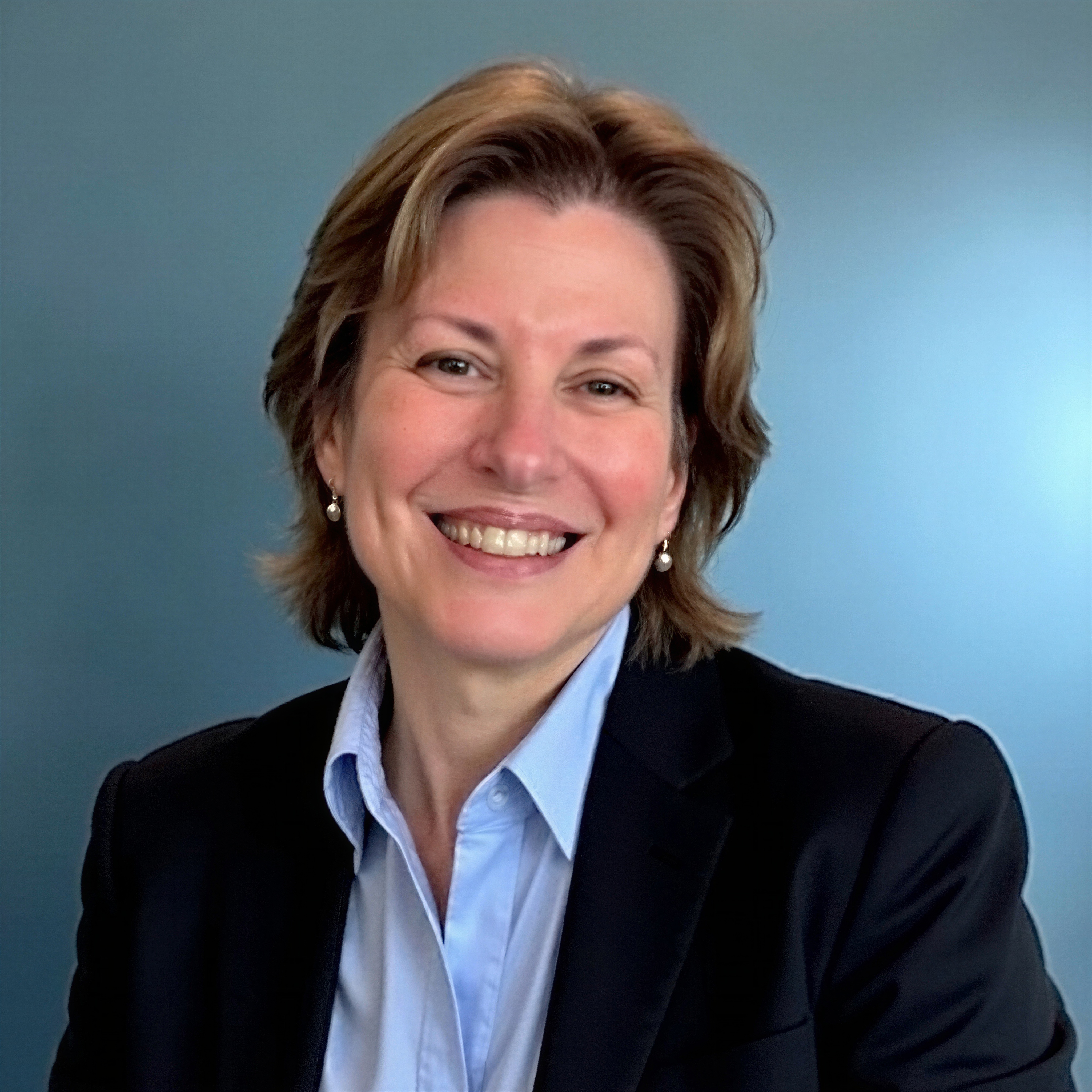
Felice Tilin, PhD
President, GroupWorks Consulting LLC, Associate Adjunct Professor, University of Pennsylvania
Felice Tilin, PhD, is an author, professor, executive coach, and consultant. She is an Associate Adjunct Professor in the Graduate School of Education at the University of Pennsylvania and President of GroupWorks Global, where her work focuses on executive coaching, organizational change, and leadership development. She also serves as Executive Director of the Coaching Leader Program and the Team Coaching Program, both of which take a multi-model approach to coaching. An ICF-credentialed coach, she leads Group Development Questionnaire (GDQ) certification trainings in the United States. From 2009 to 2020, Felice founded and directed the Master’s program in Organization Development and Leadership at Saint Joseph’s University. Her earlier roles include Director of Leadership Development at the University of Pennsylvania. Felice holds a PhD in Organizational Development from Temple University and serves on the Lower Merion Human Relations Commission. Her publications include The Interprofessional Health Care Team: Leadership and Development (3rd ed., 2024), a coauthored text on team leadership in healthcare settings. She is also a coauthor of the forthcoming chapter “From the Coaching Leader to Team Coaching: Building Collaboration in Interprofessional Healthcare Teams,” to appear in Leadership Excellence in Academic Medicine: The Art and Science of Leading with Distinction, edited by Faisal Khosa (Springer).
3:30–5:00 p.m. | Two consecutive presentations
3:30–5:00 p.m.
Managing Stress and Raising Resilience: Lessons from a Crisis and the Latest Science
Larry Richard, JD, PhD & Cynthia Whitaker, PsyD
Why do so many accomplished professionals struggle to recover from stress and adversity? Drawing on research summarized in his new book, Thin-Skinned: Why Lawyers Are So Low in Resilience, and the New Science That Can Help, Dr. Larry Richard will explore this question using the legal profession as a lens. And Dr. Cynthia Whitaker, CEO of a mental health center that lost a building to fire in February 2026 – displacing staff and disrupting services for individuals and families – will share what leading through that crisis and its recovery demanded. Together they will introduce four broad categories of evidence-based strategies for managing stress, strengthening resilience, and promoting well-being, and will demonstrate how consulting psychologists can apply them with leaders, teams, and professionals in demanding workplaces.
Hide learning objectives
Participants will be able to:
- Understand trait resilience and its connection to the broader concept of resilience, including how it may show up in leaders during crisis and recovery
- Apply learnings from the legal population as a template for supporting other professionals in demanding roles, using a crisis leader’s lived experience as a real-world example
- Apply interventions in four broad categories that raise resilience, and identify where each might support a leader before, during, and after a crisis
Hide about the presenters
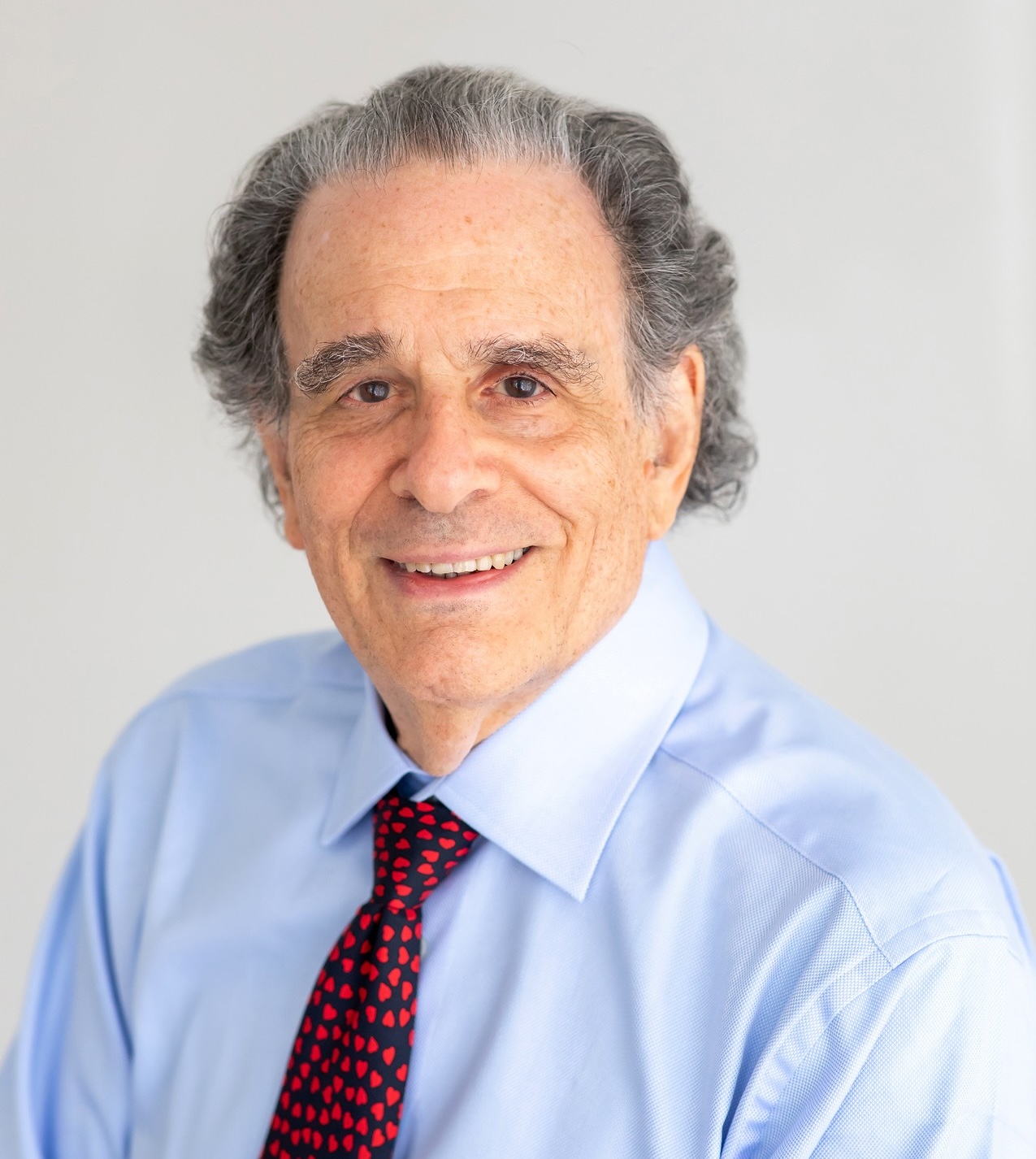
Larry Richard, JD, PhD
Management Consultant | LawyerBrain LLC
Larry Richard, J.D., Ph.D., is widely recognized as the leading expert on the psychology of lawyer behavior and a trusted authority on improving performance in law firms and legal departments through behavioral science. He works with legal organizations to enhance organizational effectiveness, capitalize on strengths, and bring out the best in their people by applying research-based insights into how lawyers think, behave, and respond to change. Dr. Richard is a graduate of the University of Pennsylvania Law School (J.D.) and practiced as a litigator before earning his Ph.D. in Psychology from Temple University. Over the course of his career, he has collected and analyzed personality data on thousands of lawyers and has consulted with hundreds of premier law firms and corporate legal departments on complex behavioral challenges, including building psychological resilience; coaching leaders; managing unprecedented change; developing talent strategy; and fostering lawyer well-being. Known for his ability to translate cutting-edge scientific insights into practical, actionable guidance, Dr. Richard is a frequent presenter at professional conferences and a sought-after keynote speaker. He is also a trusted advisor to senior leaders across the legal industry, especially those seeking solutions that draw on Dr. Richard’s deep expertise on the unique psychology of lawyers.

Cynthia Whitaker, PsyD
President & CEO | Greater Nashua Mental Health
Dr. Cynthia Whitaker is a licensed psychologist and the President & CEO of Greater Nashua Mental Health. She is also a Master Licensed Alcohol and Drug Counselor. A strong advocate for social justice, she has spent her career strengthening New Hampshire's community mental health system. Her previous roles included directing GNMH's statewide Deaf Services program and providing clinical supervision within a Recovery Court program. Most recently, she led her organization through the destruction of one of its clinical building by fire in 2026 and the recovery that followed. Cynthia is an affiliate faculty member at Antioch University, where she teaches doctoral-level courses in Community Psychology, Health Service Delivery Systems, and Public Policy & Advocacy. She is fluent in American Sign Language and is passionate about increasing access to mental health services for all.
Saturday, April 10
Main Conference — Day Two
7:00–8:00 a.m.
Breakfast & Journal Update
8:00–8:30 a.m.
Ernest Wayde, PhD
Session details to be announced.
8:30–9:30 a.m.
Session to Be Announced
Program details will be announced.
Show about the presenter
Presenter name and degree: Pending.
Title and affiliation: Pending.
Presenter biography: Pending.
9:30–10:30 a.m.
Distinguished Psychologist in Leadership
Full session title, presenter information, and description to be announced.
Show about the presenter
Presenter name and degree: Pending.
Title and affiliation: Pending.
Presenter biography: Pending.
10:30–10:45 a.m.
Break & Transition to Presentation Choices
10:45–11:45 a.m. | Presentation Choice One
Two sessions run at the same time. Choose one option.
10:45–11:45 a.m. | Option A
Leadership as a Core Psychological Competency: A Multilevel Framework for Leadership Development and Systems Impact
Janice Y. S. Haskins, PhD, CAE, and Jennifer Wisdom, PhD
Psychology has contributed extensively to the study of leadership but has not consistently applied its own science to the systematic development of psychologists and behavioral health professionals as leaders. Existing programs often emphasize collections of competencies without clearly connecting personal capacities, enacted practices, relationships, context, and systems impact. Psychology needs a coherent, psychologically grounded approach to developing leaders who can influence people, organizations, communities, and systems. The evidence-informed Catalyst Framework, created using a nominal group process of leadership and psychology experts, offers a multilevel approach that employs psychological research on leadership characteristics, leadership practices, communication, intrapersonal development, interpersonal relationships, organizational and societal systems, culture, equity, ethics, and impact into a developmental model of leadership. This presentation explains the Catalyst Framework, what its integration means for psychology as a discipline and profession, and invites discussion regarding the application of the model to facilitate leadership development among psychologists and others.
Hide learning objectives
Participants will be able to:
- Discuss the characteristics, practices, communication and levels of connection outlines in the Catalyst Framework.
- Compare the evidence-informed multi-level Catalyst framework to other leadership development approaches, identifying significant gaps.
- Utilize the framework, articulate one to two approaches to facilitate systematic leadership development for the next generation of psychologists and behavioral health practitioners.
Hide about the presenters

Janice Y. S. Haskins, PhD, CAE
Janice Y.S. Haskins, PhD, CAE, is Head of APA Catalyst, the American Psychological Association's behavioral health workforce development hub. An industrial-organizational psychologist and workforce development strategist, she leads national initiatives focused on leadership development, mentoring, workforce diversification, and interdisciplinary collaboration across the behavioral health field. Haskins is co-creator of the Behavioral Health Public Policy (BHPP) Program and has helped develop innovative pathways that prepare emerging professionals to lead systems change and advance behavioral health outcomes. She also supports community and family well-being through her work with ACT Raising Safe Kids and contributes to national workforce diversification efforts through the Infant and Early Childhood Mental Health Clinical Workforce Diversity Collective. In addition to serving as an adjunct faculty member at Grand Canyon University, Haskins serves on the advisory board of The Black Girl's Guide to Healing Emotional Wounds, supporting initiatives that promote healing, resilience, and equity. Her work focuses on developing leaders, strengthening the behavioral health workforce, and creating opportunities that expand access, inclusion, and impact.

Jennifer Wisdom, PhD
Owner, Wisdom Consulting LLC; Affiliated Professor, Oregon Health & Science University
Jennifer Wisdom is a clinical psychologist and owner of Wisdom Consulting LLC. She is an affiliated professor in the Department of Medicine and the OHSU–Portland State University School of Public Health. Her experience includes senior organization development work with the Veterans Health Administration and academic and research leadership at Columbia University, George Washington University, and the City University of New York. She is board certified in Organizational and Business Consulting Psychology and holds a PhD in Clinical Psychology and an MPH in Epidemiology and Biostatistics.
10:45–11:45 a.m. | Option B
The Latitude for Authenticity: What If the Suit Does Not Fit?
Greg Pennington, PhD
Authentic leadership is associated with positive outcomes including trust, engagement, and commitment. Yet effective leadership also requires adapting behavior to different roles, situations, organizations, and followers. You can bring your whole self to work. The question is: What are the risks and rewards when you do? This session challenges the assumption that greater authenticity necessarily produces greater leadership effectiveness. Drawing on psychological research and consulting experience, we examine the latitude for authenticity: how much room leaders have to be themselves and still be seen as credible and effective. Participants will consider how the risks and rewards of authenticity and adaptation vary across leaders, groups, and organizations, and when it is the leader - or the expectations surrounding the leader - that should change.
Hide learning objectives
Participants will be able to:
- Identify three personal values and leadership characteristics that influence their sense of authenticity.
- Analyze a key theme in situations where institutional expectations create tension with their preferred leadership approach.
- Apply a five-step decision framework to identify one practical action that increases their leadership effectiveness while preserving personal authenticity.
Hide about the presenter
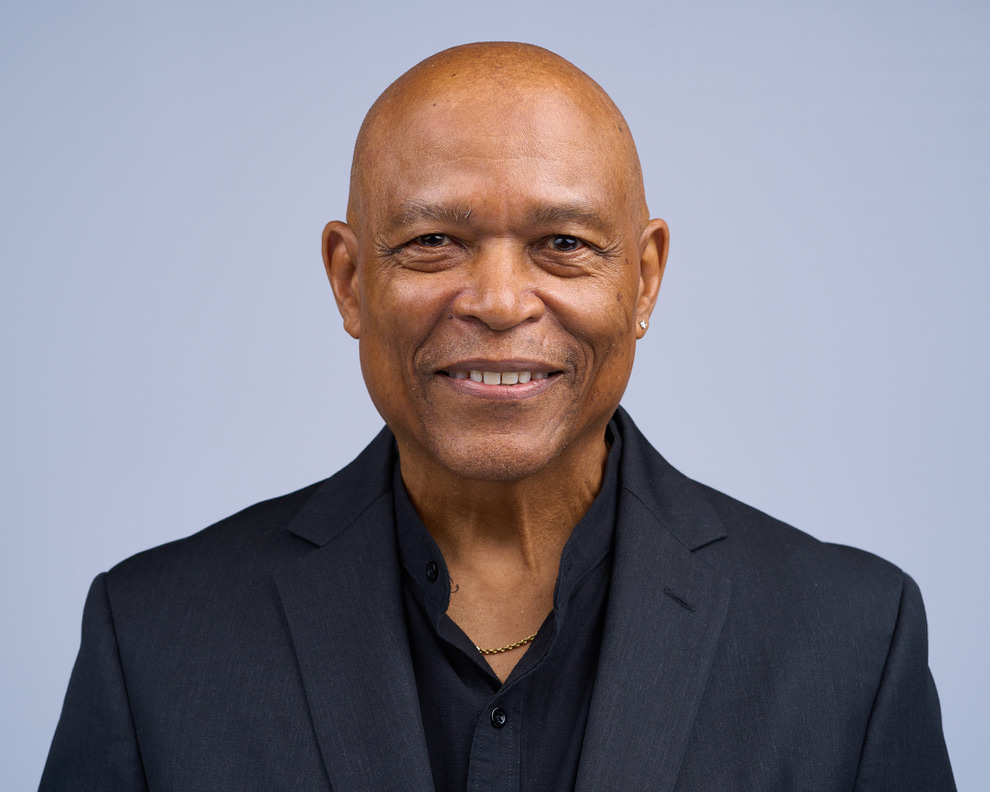
Greg Pennington, PhD
Managing Partner | Pennpoint Consulting Group
Greg Pennington, Ph.D., is Managing Partner of Pennpoint Consulting Group and a recognized voice on leadership effectiveness. With experience across corporate HR, global consulting, and executive development—including leadership roles at Johnson Controls and consulting positions with Hay Group and RHR International—he helps leaders convert good intentions into measurable results. His approach centers on “Leadership Effectiveness Moments”: the everyday decisions, assumptions, and interactions that shape performance, trust, and culture. He delivers executive coaching, high potential development, team effectiveness workshops, and inclusion interventions for clients in global finance, healthcare, professional services, higher education, and nonprofits. Pennington is the author of Your Leadership Signature: Mapping Your Personal Pursuit of Influence and Impact and the recently published Points of Leadership: A Collection of reflections driving insights to actions, accelerating and elevating leadership effectiveness. Dr.P. holds a Ph.D. from UNC–Chapel Hill and a B.A. cum laude from Harvard University. An APA Fellow, he is active in several professional associations and founded the Consulting Psychologists of Color. As a life-long student of judo, ever-emerging artist, and grandparent of three, Greg celebrates the blending personal passions with professional pursuits.
11:45 a.m.–12:45 p.m.
Lunch
Guest speaker: Cailtin Baggot Davis, North Star Civic Foundation
12:45–1:45 p.m. | Presentation Choice Two
Two sessions run at the same time. Choose one option.
12:45–1:45 p.m. | Option A
The Power of Improv in Team and Leadership Success
Innovative and creative experiential improv games invite playfulness, interactivity, and hands-on learning in areas such as empathy, self-confidence, wellbeing and communication, all essential components of a successful leader. They can be rich contributions to the emotional climate of a team, and build skills of listening, presence, and collaboration. The truth is that many leadership and team encounters and conversations hold elements of the unexpected. Improv instructs leaders in the skills of navigating surprises with poise, ease, and self-assuredness. This experiential and interactive session will provide an overview of improv activities including key instructions to provide as part of leadership training and enhancement of team communication. In addition, we will play a few improv games, inviting playfulness, team-building and humor. Finally, the participants will be invited to reflect on improv games that they can bring back to and deploy in their organizations and with their client.
Jeffrey Ring, PhD
Hide learning objectives
Participants will be able to:
- Describe the nature of improv and approach
- Facilitate at least two improv games for leaders
- Articulate how improv prepares leaders to navigate using challenging situations
Hide about the presenter

Jeffrey Ring, PhD
Dr. Ring is a health psychologist and leadership coach/educator particularly for healthcare and behavioral health leaders. He served as the Director of Behavioral Sciences and Cultural Medicine at the Family Medicine Residency Program for 20 years at White Memorial Medical Center in Los Angeles followed by Principal Consultant for Health Management Associates for 6 years. Dr. Ring teaches leadership for the American Association of Medical Colleges and a wide range of healthcare organizations. He is the first author of the book, Culturally Responsive Health Care: The Step-by-Step Guide for Cultural Competence Training (Radcliffe 2008) and is the recipient of the Susan B. McDaniel Distinguished Career Award from the Society of Teachers of Family Medicine in 2023.
Show submitted topics under consideration
The Power of Improv in Team and Leadership Success
Innovative and creative experiential improv games invite playfulness, interactivity, and hands-on learning in areas such as empathy, self-confidence, wellbeing and communication, all essential components of a successful leader. They can be rich contributors to the emotional climate of a team, and build skills of listening, presence, and collaboration. The truth is that many leadership and team encounters and conversations hold elements of the unexpected. Improv instructs leaders in the skills of navigating surprises with poise, ease, and self-assuredness. This experiential and interactive session will provide an overview of improv activities including key instructions to provide as part of leadership training and enhancement of team communication. In addition, we will play a few improv games, inviting playfulness, team building and humor. Finally, the participants will be invited to reflect on improv games that they can bring back to and deploy in their organizations and with their clients.
Reflective Practice for Leaders Drawing from Arts and Poetry
For busy leaders and teams, reflective practice is a luxury item. Reflective practice refers to intentional consideration of one's work, looking for meaning and celebration of excellence as well as opportunities to improve. Visual Thinking Strategies is an approach to looking at art and poetry that creates a unique reflective community experience towards enhancing how one sees and thinks about that which is presented to them. This interactive and experiential session will draw from Visual Thinking Strategies to examine works of art and poetry that hold a particular relevance for leaders around themes of work and teams. Participants will leave with a deepened understanding of humanities approaches to working within their organizations and with leadership clients.
12:45–1:45 p.m. | Option B
Beyond the Boardroom Myth: What Real Leadership Requires
Suzy Burke, PhD, and Jamie Ramsden, MBA
This session connects two complementary dimensions of leadership: the inner work of recognizing and managing internal responses, and the outer work of serving and developing followers. Drawing on Jamie Ramsden’s Let’s Go! and Suzy Burke’s Headamentals, the presenters examine how these dimensions can be developed together to support more centered, reflective, and effective leadership.
Hide about the presenters
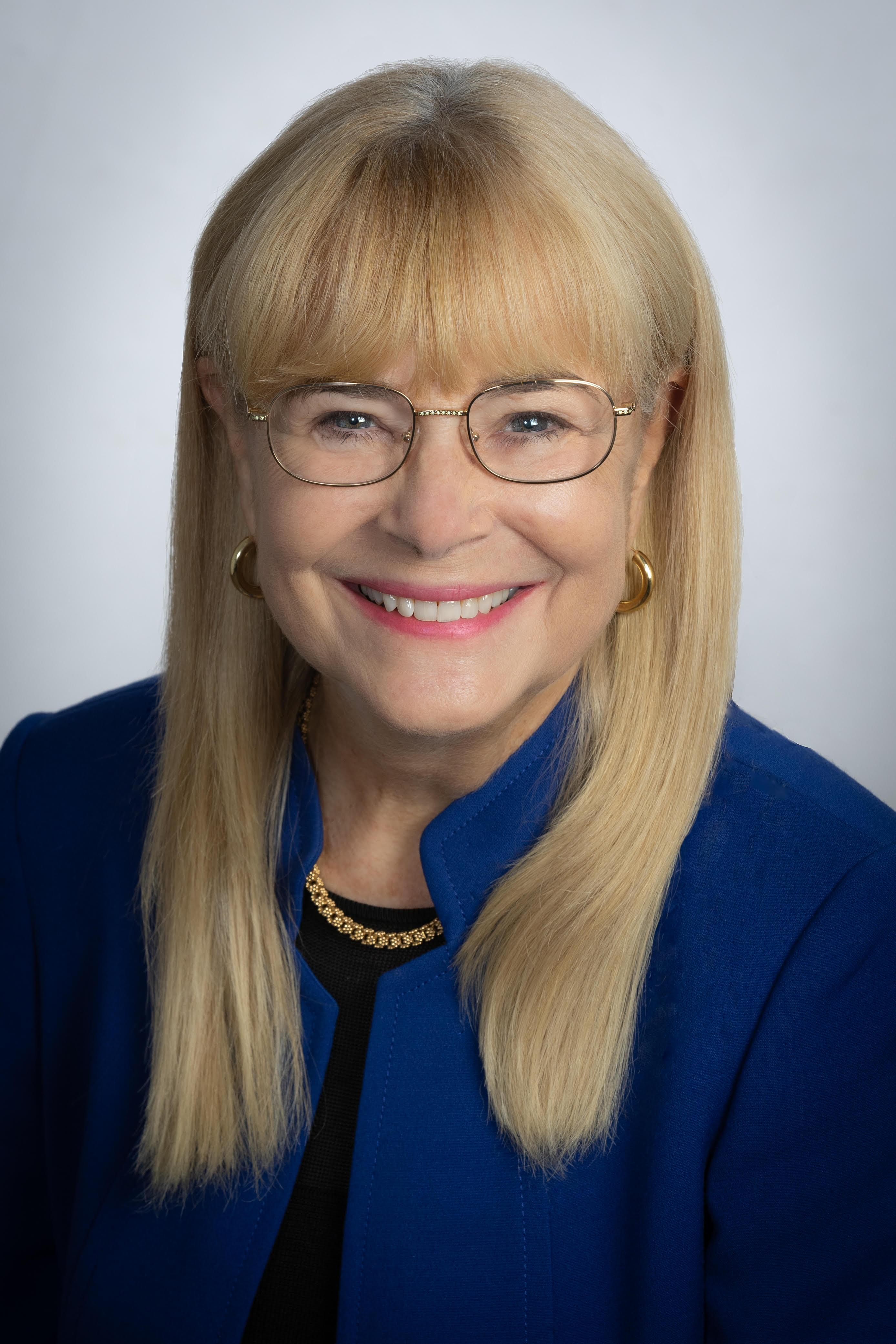
Suzy Burke, PhD
Suzy Burke, PhD, has spent her career helping leaders and organizations navigate change, build accountability, and achieve breakthrough performance. A leadership strategist, executive coach, and organizational consultant, she co-founded Accountability Inc. to bring evidence-based practices to the art of leading and scaling businesses. Suzy spent 15 years as an executive at a Fortune 20 tech giant where she delivered double-digit revenue and profit growth. A 4X founder with a powerful blend of corporate and entrepreneurial chops, she brings a distinctive, battle-tested perspective to leadership. This rare fusion of boardroom grit and startup hustle gives her an edge most leaders only dream of. Suzy doesn’t just align people, culture, and strategy—she ignites them. And she has a knack for uncovering game-changing opportunities hiding in plain sight. Suzy holds a Ph.D. in Social and Organizational Psychology from Columbia University. A National Institute of Mental Health (NIMH) scholar, she is also certified in Marshall Goldsmith’s Stakeholder Centered Coaching process, and she has received training at Penn State, the Disney Institute, the Center for Creative Leadership, and JUSE, the Japanese Union of Scientists and Engineers. She was recently ranked #11 worldwide in Management by Global Gurus (2026)
Jamie Ramsden, MBA
Jamie Ramsden is an award-winning CEO, coach and author with 25 years of international business experience. As an elite coach for the past two decades, he has worked with hundreds of Fortune 500 C-suite clients (including ConocoPhillips, Champion, Hermès, Porsche Finance, StitchFix, UnitedHealth Group & Valvoline), business owners, and entrepreneurs across the globe. His inspirational approach to leadership is shaped by practical business knowledge, deep insights into human motivations, and his proprietary leadership framework, the Adastra Leadership Model. His book Let’s Go!: How Great Leaders Shape the Future (Harriman House/Pan Macmillan, 2024), encapsulates his experience and insights into an effective leadership guide. Jamie holds an MBA with a specialization in leadership and change management from Lancaster University (UK) and trained as a leadership coach in 2004 at the Center for Creative Leadership (CCL).
1:45–3:15 p.m.
Tales from the Tower and the Hilltop: How Psychologists Lead and Coach Where Structure and Stakes Collide
Traci Callandrillo, PhD and Monique Jiménez-Herrera, PsyD
A central mission of SPL is highlighting the skills of psychologists IN leadership. This session will focus on the experiences of two psychologist-leaders at a large public research university (the Tower) and a small mission-driven institution (the Hilltop), and on their approaches to applying psychological science to leadership. Leading in Higher Education involves managing a highly regulated sector, including accreditation and the student experience; a shared governance model in which stakeholders are engaged in decision-making; competing priorities shaped by national trends and stakeholder feedback; and deep emotional investment from university constituents. Grounded in responsive and values-based leadership, they will share how building a shared understanding of the goal supports clarity, intention, and discernment within their sector, and how these principles can be applied across industries. Through active engagement and reflection, participants will examine how institutional structures influence their own leadership, practice prioritizing under pressure, and identify mentoring and coaching skills psychologists bring.
Hide learning objectives
Participants will be able to:
- Utilize psychological science and a leadership style grounded in responsiveness and values to foster a common understanding of objectives among stakeholders with varying roles, priorities, and levels of influence
- Demonstrate the ability to manage competing demands under pressure by applying clarity, purpose, and judgment to assess external trends, stakeholder responses, and emotional investment
- Identify psychologists' built mentoring and coaching skills and describe how they can apply them as leaders in complex organizations.
Hide about the presenters

Traci Callandrillo, PhD
Program Director for Behavioral Health Workforce Development | The University of Texas at Austin
Dr. Traci Callandrillo is the Program Director for Behavioral Health Workforce Development at The University of Texas at Austin and a psychologist, leadership consultant, and executive coach. She brings more than 25 years of experience spanning psychology, higher education, healthcare, behavioral health, leadership development, and organizational consultation. In her current role, she leads initiatives focused on strengthening the behavioral health workforce and developing innovative pathways for preparing skilled mental health professionals. Previously, Traci served as Assistant Vice President for Student Affairs at American University, where she led complex healthcare, wellbeing, and student services operations and strategic initiatives. Her career also includes extensive work in university counseling and behavioral health, organizational leadership, and professional practice in psychology. She has held national leadership roles, including Vice President for Professional Practice for the Society of Counseling Psychology and founding member and past chair of the Higher Education Mental Health Alliance.
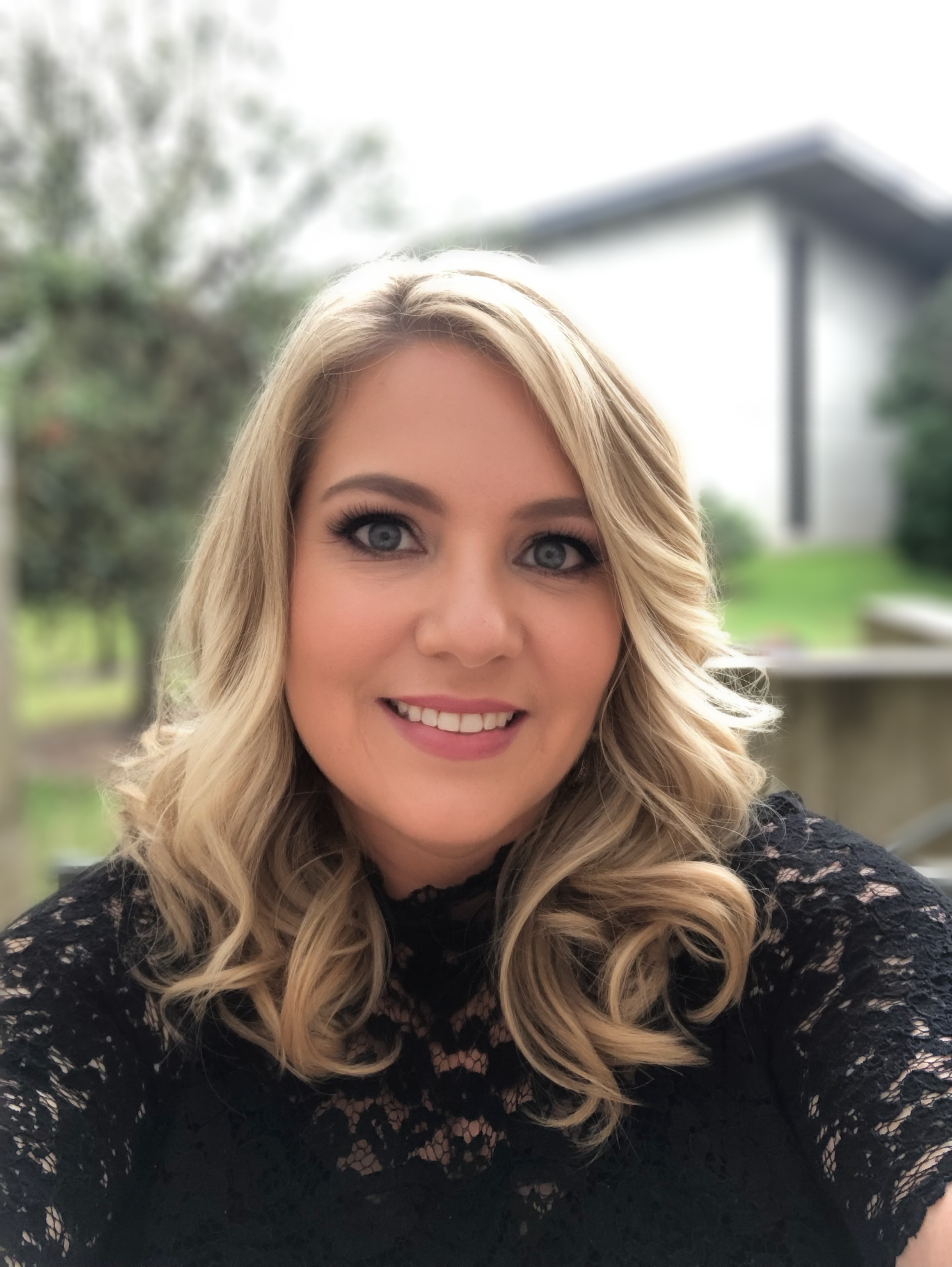
Monique Jiménez-Herrera, PsyD
Vice Provost for Academic Initiatives and Faculty Success, Professor of Psychology, and Licensed Psychologist (Clinical) | St. Edward’s University
Monique Jiménez-Herrera, PsyD, serves as Vice Provost for Academic Initiatives and Faculty Success and Professor of Psychology at St. Edward’s University, a small, private Catholic liberal arts institution in Austin, Texas. She has more than 24 years of experience in higher education, including 18 years in academic leadership. At Adler University, she chaired the Department of Psychology. She later led one of Miami Dade College’s largest departments in a dean-level role before becoming St. Edward’s inaugural Vice Provost. In her current role, she oversees the Center for Teaching Excellence, General Education, the First-Year Experience, Honors, Fellowships, and Global Initiatives and Study Abroad. She has established an integrated faculty support structure, co-chairs a transfer partnership with Austin Community College, and manages a multimillion-dollar budget. Previously, she guided a Doctor of Psychology program through APA accreditation, achieving the highest accreditation status. Dr. Jiménez-Herrera has secured grants from AAC&U, the Council of Independent Colleges, and NetVUE, and contributes to national initiatives focused on vocational exploration and belonging. She serves on the board of Texas Women in Higher Education of the American Council on Education (ACE) Women’s Network and previously chaired the APA Leadership Institute for Women in Psychology Advisory Committee.
3:30–4:30 p.m.
When bad things happen to good leaders
Mary Coussons, PhD
Leadership brings hope, opportunity, and achievement, but also setbacks that can shake a leader’s confidence and sense of purpose. Reflective, human-centered leaders often ask what they could have done differently when things go wrong. Yet some challenges arise from organizational dynamics, competing priorities, or the actions of others that no leader can control alone. In this interactive, case-based session, participants will examine two scenarios in which capable leaders encounter circumstances that threaten their effectiveness and well-being. Using established coaching approaches, we will consider how to separate personal responsibility from external constraints, recognize warning signs, and decide when to adapt, seek support, set boundaries, or move on. Through guided discussion, participants will identify the lessons and unexpected opportunities that can emerge from difficult experiences. They will leave with a practical framework for responding to similar challenges while preserving their values, confidence, and capacity to lead.
Hide learning objectives
Participants will be able to:
- Assess the organizational and personal impact of difficult and unexpected scenarios generated by external factors for potential insurmountable challenges that predict failure regardless of skill, effort, and perspective.
- Predict the trajectory of such situations regarding expectations of the organization, perceptions of one's leadership skill and capacity, and one's own sense of agency and self efficacy.
- Apply principles of positive psychology, authentic leadership, crisis management, and reframing to mitigate short and longer-term effects on organizational function and culture and on one's self-concept and reputation as a leader.
Hide about the presenter
Mary Coussons, PhD
Professor Emerita | University of Colorado Colorado Springs
Mary Coussons, Ph.D., is a higher education leader, scientist, educator, and leadership coach whose career has been shaped by a passion for helping people and organizations thrive. Over more than three decades in higher education, she has served in roles ranging from professor and researcher to department chair, associate dean, research vice chancellor, Provost and Executive Vice Chancellor for Academic Affairs at the University of Colorado Colorado Springs, and Interim Vice President for Instructional Services at Pikes Peak State College. Trained as a behavioral neuroscientist, Mary is an internationally recognized researcher whose work explores how psychological stress influences immune and endocrine function, pregnancy, and health. She has led multimillion-dollar federally funded research and educational initiatives and has published extensively across psychology, behavioral medicine, and psychoneuroimmunology. At the heart of Mary’s work is a commitment to developing people, building strong and collaborative organizations, and connecting institutions with the communities they serve. An experienced executive coach and consultant, she has spent much of her career mentoring and developing leaders. Her extensive community service includes leadership with the American Red Cross and Goodwill Industries, reflecting her belief that meaningful leadership ultimately is about relationships, service, and creating positive change.
4:30–5:00 p.m.
Conference Synthesis
How to move forward as intentional leaders, inside and outside of SPL.
Sunday, April 11
Post-Conference Program
8:00 a.m.–12:00 p.m.
Leadership Case Conference
Dick Kilburg, PhD
Aside from informal conversations at the annual meeting, attendees rarely have opportunities to consider significant challenges in their own or their colleagues’ current leadership experiences. This case conference is provided as a resource for participants to potentially explore issues they are experiencing themselves or those of others who register and join the case conference. The processes utilized will consist of a loosely structured action learning paradigm. Participants will be invited to briefly present their own brief, 2–5-minute case summary that emphasizes: What is the leadership problem/challenge I am facing and desire assistance with? What are the core issues and concerns from my perspectives? What barriers, roadblocks, defenses, restraining and driving forces can I identify in this situation? Why is this problem important for me? They will then be expected to respond to their colleagues’ questions during approximately 15-20 minutes of active exchanges. Suggestions for action will not be entertained unless they are framed as questions. Each case that is presented will then be discussed for several minutes by all participants. Multiple cases will be covered during the workshop. Attendees will not be forced to present their own case, but it is strongly suggested that everyone who enrolls be prepared to do so and to participate actively in processing the other cases during the workshop.
Participation requirements, fees, and CE information will be added when confirmed.
Hide learning objectives
Participants will be able to:
- Articulate a current leadership challenge in a brief case summary that identifies the core issues, the barriers and defenses, and the driving and restraining forces involved.
- Apply an action learning approach by posing clarifying, open-ended questions that help colleagues examine their own leadership problems rather than offering advice.
- Analyze peers’ cases to identify patterns, assumptions, and new perspectives that can be used in their own leadership, advising, or leadership development work.
Hide about the presenter

Richard R. Kilburg, PhD
CEO | RRK Coaching and Executive Development
Dick Kilburg received his Ph.D. in clinical and community psychology from the University of Pittsburgh in 1972. He attended a postgraduate program in mental health administration at the Community Psychiatry Laboratory at Harvard University in 1976-1977 and obtained a master’s degree in professional writing from Towson University in 1992. He has held a variety of leadership and academic positions during his career. He is the CEO of RRK Coaching and Executive Development, a consulting firm based in Baltimore. He has published widely in the fields of management, professional impairment, and executive coaching. His seven books, published by the American Psychological Association, were Professionals in Distress: Issues, Syndromes, and Solutions in Psychology, How to Manage Your Career in Psychology, Executive Coaching: Developing Managerial Wisdom in a World of Chaos, Executive Wisdom: Coaching and the Emergence of Virtuous Leaders, The Wisdom of Coaching, co-edited with Dr. Richard Dietrich, Virtuous Leaders: Strategy, Character, and Influence in the 21st Century, and co-authored with Dr. Skipton Leonard and Dr. Arthur Freedman, Essentials for Organizational and Systems Change: An overview for consultants. He was the founding President of the Society of Psychologists in Management, and he is a Fellow of Division 13 of the American Psychological Association. He has received numerous awards for leadership, consulting, and his writing.
Continuing Education
The Society of Psychologists in Leadership is approved by the American Psychological Association to sponsor continuing education for psychologists. SPL maintains responsibility for this program and its content.
Final session-specific CE eligibility, credit hours, and requirements will be posted as confirmed. Planned workshop credits are provisional. Schedule duration does not establish CE credit.
Plan Your Conference Experience
Explore conference rates and hotel booking information. Conference registration is opening soon.
Registration & Hotel Details
|


